

Monfalcone Ordinance: Prayer prohibited in the Islamic Center

Israel and Hamas resume the fighting
December 2, 2023
The 'Coran Law' approved in Denmark.
December 9, 2023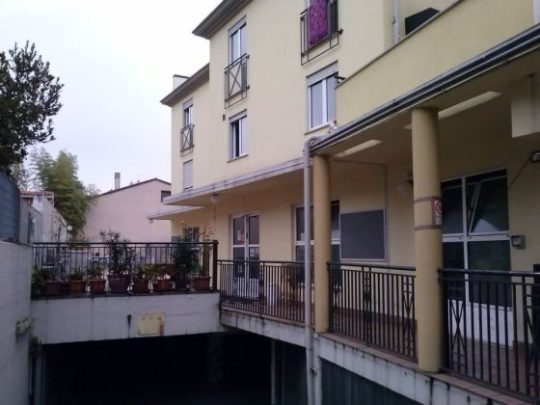
The Monfalcone municipal ordinance that prohibits prayer in a cultural center has sparked controversy and debates. Explore the restrictions on religious freedom in Italy and the implications for religious communities.
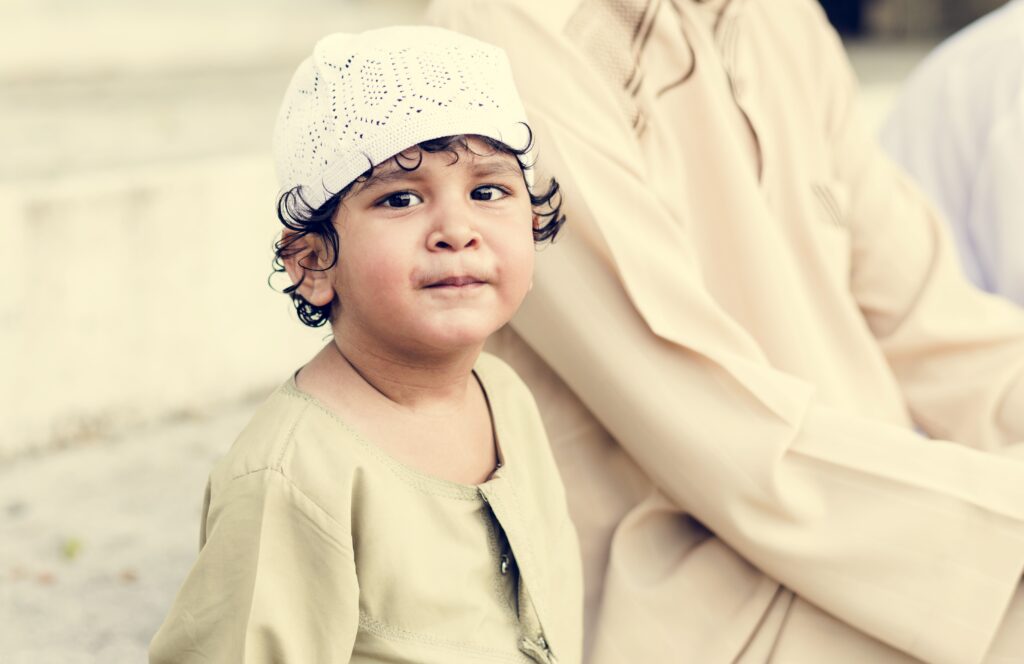
The recently issued ordinance by the Monfalcone municipality (Gorizia) that prohibits prayer in a cultural center intended for more general cultural activities has sparked controversy and debates. The center in question is used by a local Islamic community for prayer services, and although the municipality has allowed the center to continue hosting cultural events and meetings, prayer is strictly prohibited. This is not an isolated case, as similar restrictions have been imposed in the past on religious communities in Italy.
In 2005, the Lombardy Region approved a law that severely limits the right to express one's religious beliefs in public and private places, including restrictions on changing the intended use of buildings for worship. This law, referred to by some as the "anti-mosque law" was applied to all religious communities, including evangelical churches. The Italian Constitutional Court subsequently intervened to limit the effects of this law, but it has also been adopted by other regions.
The closure of places of worship represents a significant limitation on religious freedom and fundamental rights. Moreover, it humiliates communities, often composed of immigrants, who organize and establish places of worship despite numerous bureaucratic obstacles and prejudice or hostility towards those who practice different faiths from the majority in Italy. It is paradoxical that a space suitable for community activities is considered unsuitable for prayer.
Minority religious groups have long been fighting for their right to freely practice their faith, and this struggle is not just about themselves, but for everyone. The quality of a democracy is also measured by the protection of minority rights, including the right to religious freedom. It is imperative that this principle be applied to all faith communities, not just a select few.
To further complicate this situation, the Islamic Center of Monfalcone recently received a package containing burnt pages of the Quran in a vandalistic act. This gesture of intolerance and hatred is alarming and underscores the need for greater awareness and protection of fundamental rights and freedoms.
It is essential to recognize and defend the right to religious freedom as a fundamental human right that must be protected by a democratic and secular state. We must work towards creating a society that values diversity and respects the rights of all citizens, regardless of their faith or background.
Editorial