

The Dichotomy of the Internal Enemy

New Definition of Extremism in the United Kingdom
May 5, 2024
Muslim Interaktiv
May 17, 2024How the Media Influence the Perception of Violence
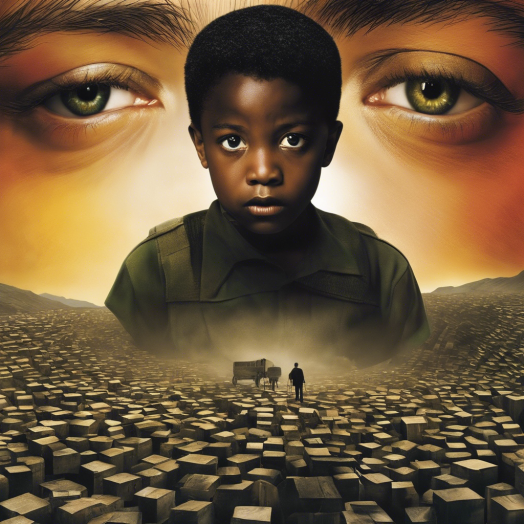
The Dichotomy of Narration: Double Standards
The contemporary media landscape, with its pervasive influence on public perception, often presents dissonant narratives of tragic events, highlighting mechanisms of stigmatization and the construction of a dangerous "internal enemy." This dichotomy in the narrative, based on factors such as ethnicity, religion or the origin of the perpetrator of a violent act, raises crucial questions about the role of the media in shaping social reality and fueling divisions.
Two recent cases exemplify this dynamic: the attack in Sydney and the one at the Gare de Lyon.
In Sydney, the media narrative embraced compassion, presenting the aggressor, suffering from mental disorders, as both victim and perpetrator. The focus was on psychological suffering as the triggering cause, overshadowing ideological or political motivations. An approach that raised questions about the management of mental health, but avoided fueling social divisions.
On the contrary, the attack on Gare de Lyon saw the assailant, a Malian citizen, subjected to intense media scrutiny. His migratory past, legal status, and even his social profiles were analyzed to build a complex profile, often reduced to a potential threat. This narrative fueled prejudices and reinforced the idea of an "internal enemy", defined by identity, origin, and alleged mental disorders.
The Role of the Media in Constructing the 'Internal Enemy'
This dichotomy raises crucial questions about the role of the media in shaping social reality. The absolutism of media 'truth,' often unconscious, not only distorts reality but fuels a dangerous dynamic of division and polarization. The 'internal enemy' becomes a symbol on which to project the ills of society, distracting from real socio-economic problems.
The media, with their power to shape public perception, define the contours of this enemy, attributing simplistic and reductive characteristics to it. This fuels social tensions, identifies scapegoats, and amplifies collective fears. This binary and Manichaean representation does not reflect the complexity of the issues and realities underlying contemporary conflicts.
The emphasis on elements such as the religion of the aggressor, often presented as the main cause of the act, distorts reality and promotes a simplistic view of adversity. This media stigmatization reinforces prejudices and contributes to the construction of an "internal enemy" perceived as an imminent threat to identity and national security.
Stereotypes and Prejudices: Fueling Fear and Division
It is not about denying the reality of the facts, but questioning their interpretation. Should an individual's religion prevail over their ability to understand the world? If so, should this approach be applied to all individuals with mental disorders, regardless of their faith.
The threat of extremism, both jihadist and extreme right/left, is real and alarming. However, a news fact remains as such, regardless of the author's claims. The differentiation in media treatment depending on the aggressor's identity fuels an anxious and divisive environment.
The Responsibility of Media and Society
It is crucial to recognize the danger of distorted media coverage and the construction of the "internal enemy". These phenomena reflect societal tensions and fears, as well as our prejudices. By deconstructing these mechanisms, we can aspire to a more unified and humane view of the world.
While defending press freedom, it is necessary for society to reflect on its own responsibilities. Everyone, in their role, must ensure the truthfulness and impartiality of information to build a balanced and aware society.
Abdellah Hariri