


Creed and Faith in Islam
January 8, 2024
Repackaging Sufism inspired by Buya Syakur
January 27, 2024Virtues and customs of the 'Aqiqah
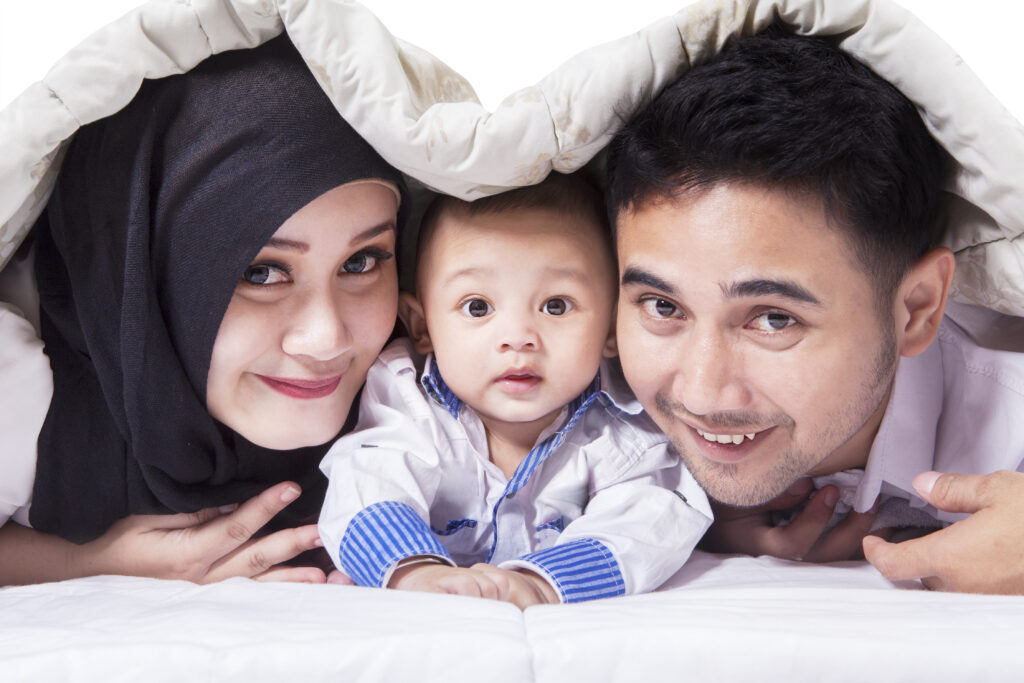
The ritual of ‘Aqiqah (العقيقة) is widely recommended in Islam and is considered Sunnah Mu’aqqadah (سنة مؤكدة) by most scholars. It involves offering a sacrificial animal for a newborn, preferably on the seventh day after birth, as an expression of devotion and gratitude to Allāh for blessing the family with a child. The ceremony as a whole expresses gratitude to Allāh for the gift of a newborn.
لَّهِ مُلْكُ ٱلسَّمَٰوَٰتِ وَٱلْأَرْضِ ۚ يَخْلُقُ مَا يَشَآءُ ۚ يَهَبُ لِمَن يَشَآءُ إِنَٰثًا وَيَهَبُ لِمَن يَشَآءُ ٱلذُّكُورَ
[Ash-Shūra: 49]
Meaning and purpose of ʾAqiqah
Before the birth of a child, and before marriage, Muslims traditionally intensify their ibādah [عبادة], that is, worship, and increase their supplications, asking Allāh ﷻ to grant the child righteousness. This practice is inspired by the example of Ibrāhīm [peace and blessings of Allāh be upon him], who prayed for his descendants with these words: Rabbi ij-alni muqiimas sa Ṣalāht wa min zhuriyyati, rabbana wa taqabbal duʿāʾi. 'Oh Lord, make me one who establishes prayer, and also my descendants. Oh Lord, accept my supplication'.
رَبِّ ٱجْعَلْنِى مُقِيمَ ٱلصَّلَوٰةِ وَمِن ذُرِّيَّتِى ۚ رَبَّنَا وَتَقَبَّلْ دُعَآءِ
[Ibrahim:40]
Aqiqah Ritual and its Practices
When the child is born, the ‘Aqiqah is the responsibility of the father, the family’s breadwinner or the person raising the child. One ram, sheep or goat is slaughtered for a female child, and two for a male child.
Narrated Amr bin Shuaib: Whoever among you would like to perform [Nusk - نسك] rites on behalf of his son, let him do; two equivalent sheep for the boy, and one sheep for the girl.
عن عمرو بن شعيب قال، قال رسول الله ﷺ: من أحب منكم أن ينسك عن ولده فليفعل عن الغلام شاتان مكافئتان وعن الجارية شاة
It was narrated that ʿĀʾisha [may Allāh be pleased with her said: “The Messenger of Allāh ﷺ commanded us to sacrifice two sheep for a boy’s ‘Aqiqah and one sheep for a girl.”
عَنْ عَائِشَةَ، قَالَتْ أَمَرَنَا رَسُولُ اللَّهِ ﷺ أَنْ نَعُقَّ عَنِ الْغُلاَمِ شَاتَيْنِ وَعَنِ الْجَارِيَةِ شَاةً
[Sunan Ibn Mājah]
In another Hadith, it is narrated by Ibn Abbas and Anas that the Prophet sacrificed a ram for Hasan and one for Husayn.

According to this second Hadith, the Maliki school believes that the number of animals to be sacrificed for male and female children is the same.
When is the Aqiqah ritual?
The preferred time to offer the ʾAqiqah is seven days after birth. Alternatively, the animal may be slaughtered on the fourteenth or twenty-first day after the child’s birth. If it is delayed, however, it may be performed at any time; there is no sin in delaying it, although offering it as soon as possible is preferable.
Narrated Samurah: That the Messenger of Allāh ﷺ said: "The boy is mortgaged by his ‘Aqiqah [pawned against his ʾAqīqah]; slaughtering should be done for him on the seventh day, he should be given a name, and his head should be shaved."
عَنْ سَمُرَةَ، قَالَ قَالَ رَسُولُ اللَّهِ ﷺ “ الْغُلاَمُ مُرْتَهَنٌ بِعَقِيقَتِهِ يُذْبَحُ عَنْهُ يَوْمَ السَّابِعِ وَيُسَمَّى وَيُحْلَقُ رَأْسُهُ”
[Jami` Al-Tirmidhī]
The newborn would not be free; it would not be beneficial to its parents, and it would not intercede for them unless its ʾAqīqah is sacrificed. Therefore, the ʾAqiqah is an offering for the child in the hope that Allah makes him healthy, intelligent, righteous, etc., which is one of the meanings of Murtahanun bil ʾAqīqah.
Shaving and donation
During the celebration of ʾAqiqah, it is recommended to shave the baby’s head and weigh the hair, then give an amount of silver equivalent to its weight in charity (ṣadaqāt). In other words, the monetary equivalent of the hair’s weight in silver is distributed to those in need as ṣadaqāt.
Fátima [may Allah be pleased with her] donated, in silver equivalent, the shaved-hair weight of her children Hassan, Husayn, Umm Kulthūm and Zaynab.
Alī ibn ʾAbī Ṭālib said: "The Messenger of Allāh ﷺ had the 'Aqiqah for Al-Hasan with one sheep, and said: 'O Fátima! Shave his head and give the weight of his hair in silver as charity.'" He said: "So I weighed it, and it was the weight of a Dirham or a bit of a Dirham."
عَنْ عَلِيِّ بْنِ أَبِي طَالِبٍ، قَالَ عَقَّ رَسُولُ اللَّهِ ﷺ عَنِ الْحَسَنِ بِشَاةٍ وَقَالَ يَا فَاطِمَةُ احْلِقِي رَأْسَهُ وَتَصَدَّقِي بِزِنَةِ شَعْرِهِ فِضَّة
[Jami` at-Tirmidhī]
Distribution of the meat of the sacrificed animal
The meat of the sacrificed animal should be shared with family, friends and those in need within the community. Some scholars hold that the meat of the ʾAqīqah should be distributed in the same manner as that of the ʾudhia [أضحية], divided into three portions: one third for ourselves, one third for our parents and one third for the needy or the poor. According to the strongest opinion, however, there is no fixed distribution. What matters is that the sacrifice is offered for the sake of Allāh. As the Qur’an says: "Their meat and blood do not reach Allāh, but what reaches Him is your righteousness, the taqwā [التقوى]."
لَنْ يَنَالَ اللَّهَ لُحُومُهَا وَلَا دِمَاؤُهَا وَلَكِنْ يَنَالُهُ التَّقْوَى مِنْكُمْ
[Al-Hajj: 37]
Editorial Team