

Sustainability in Islam: Principles and Practices

Salwan Momika: A tragic end
January 31, 2025
A Spiritual Journey Through Fasting and Awareness
March 2, 2025
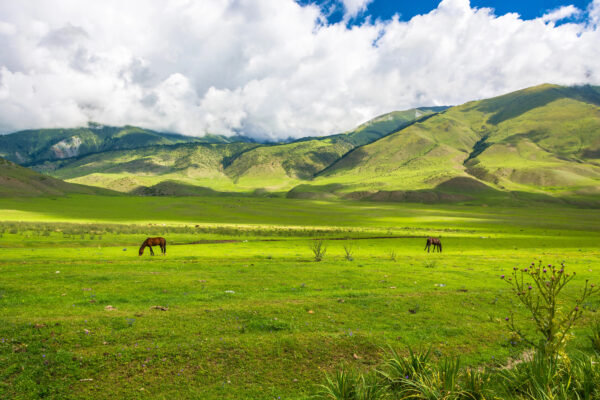
Sustainability in Islam: Nature, a Symbol of Harmony and Beauty
Sustainability is a concept that has gained increasing relevance on the global stage in response to critical challenges such as climate change, biodiversity loss, and the depletion of natural resources. However, it does not represent an exclusively modern idea. Religious traditions, including Islam, offer deeply rooted principles that promote environmental protection, social justice, and a harmonious balance between human needs and those of nature. This study examines how Islamic principles can provide a holistic perspective on sustainability, exploring key concepts such as moderation, stewardship, and justice, with particular attention to daily practices and their relevance in the contemporary context.
Sustainability in Islam: Fundamental Principles
In Islam, sustainability finds its roots in a holistic vision that connects humans, the Creator, and the entire universe. A key principle is "moderation" (wasatiyyah- وسطية), which defines the very essence of faith and behavior. The Quran describes Muslims as a "community of the middle path" (ummatan wasatan- أُمَّةًۭ وَسَطًۭا), called to pursue balance in every aspect of life (Quran, 2:143). This concept is not limited to the individual sphere but also applies to resource management and environmental protection, in harmony with the divine command to preserve natural balance (al-mizan - ميزان).
And do not disturb the balance; weigh with justice and do not falsify the scale..
(Quran, 55:7-9)
Such balance, intrinsic to creation, is a sacred order that humanity must preserve.
Nature, with its beauty, is not only a divine gift but also a reflection of the Creator's harmony and perfection. From this perspective, ecology becomes an act of faith, as protecting the environment means respecting the divine design. Islam promotes a balanced relationship between humans and the natural world, urging believers to live responsibly and with respect for all forms of life. The role of "khalifa" (steward) highlights humanity's duty to safeguard the Earth, while the principle of "mizan" (balance) emphasizes the importance of preserving ecological order. Through actions such as conserving resources, respecting animals, and reducing waste, Islam teaches that sustainability is not merely a material concern but a spiritual path that connects humanity with divine creation.
Sustainability in Islam is not just an environmental imperative but an act of worship that reflects the divine harmony between humans and nature.
Custody and Responsibility: The Role of Humans in the world
As we mentioned, a key principle is the concept of "stewardship" (khalifa – خليف), according to which the human being is God’s vicegerent on Earth, entrusted with the responsibility of protecting and administering it with justice (Qur’an, 2:30). In this role, humanity is called not only to use natural resources equitably but also to safeguard the rights and interests of other living creatures, including animals and birds, as well as future generations.
Custodianship intertwines with the concept of “Earth construction” (i’mar al-ard - – عمارالأرض), also known as “umran,” (عمران) which implies the creation of a human civilization based on justice (al-‘adl) and benevolence (al-ihsan). This ideal, developed by thinkers like Ibn Khaldun, emphasizes the importance of promoting collective well-being not only for the current generation but also for future ones. Social and environmental justice, therefore, becomes a moral and spiritual imperative.
Moderation and Balance
Moderation is also reflected in the Quran's condemnation of wastefulness (israf - إسراف) and excess (tabdhir - تَبذیر ). The former refers to the improper use of what is lawful, such as overconsumption of food or water, while the latter pertains to spending on unlawful activities, such as gambling or purchasing harmful substances. The Quran clearly warns:
(…) Eat and drink, but without excess, for Allah does not love those who exceed.
(Quran, 7:31)
and again:
Indeed, the prodigal are brothers of the devils..
(Quran, 17:27)
These precepts not only outline a personal ethic based on moderation but also lay the groundwork for targeted legal and political interventions. In particular, concepts such as public interest (maslahah) and just governance (siyasah ‘adilah) provide governments with an ethical and legal framework to address social and environmental challenges. Through these principles, it is possible to promote a harmonious balance between human development and the protection of creation, ensuring collective well-being while respecting the universal values of Islam.
Daily Practices and Prophetic Teachings
Prophet Muhammad's teachings offer profound and practical guidance on sustainability, integrating it into daily actions. He elevated tree planting to an act of charity, stating:
"Whoever plants a tree, every creature that feeds on its fruits will be counted as an act of charity for him." (Sahih Muslim)
In another hadith, the Prophet encouraged planting a palm even if the Day of Judgment were imminent, emphasizing the importance of acting for the collective good until the very last moment. This teaching reflects a holistic vision that transcends time and circumstances.
Inoltre, il Profeta ha insistito sulla pulizia degli spazi pubblici e sul rispetto delle risorse naturali, anche in situazioni estreme. Un esempio emblematico è rappresentato dalle istruzioni del califfo Abū Bakr ai suoi soldati:
“Do not destroy trees, do not devastate crops, and do not needlessly damage natural resources.”
This approach highlights an environmental ethic that preserves the balance of creation, even during conflicts.
These teachings not only promote individual responsibility towards the environment but also offer a governance model that integrates sustainability, justice, and the common good.
Islamic principles promote a balance between humans and the natural world, encouraging believers to live responsibly and respectfully towards all creatures.
Sustainability in Islam: Cleanliness and Beauty
Islam attributes profound and sacred value to "cleanliness" and "beauty," considering them fundamental elements of faith and spirituality. This principle is rooted in both the Quran and the teachings of Prophet Muhammad, who made it a cornerstone of daily and community life.
In the Quran, Allah states:
Allah loves those who are persistent in cleanliness.
(Quran, 2:222)
This verse is not limited to an exhortation for personal hygiene but reflects a divine love for those who cultivate purity in every aspect of their existence, including harmony with the surrounding environment.
Prophet Muhammad (peace be upon him) further emphasized this concept by declaring:
" cleanliness is half of faith." (Sahih Muslim)
This statement emphasizes how the care for cleanliness is not only a physical act but also a reflection of faith itself, a way to draw closer to Allah and show respect for creation.
These teachings extend far beyond personal hygiene, encompassing the “care for the environment” and “shared spaces.” The Prophet encouraged believers to keep public places clean, avoiding harm or pollution.
Avoid the two cursed things: those who dirty the places of passage or shade.
(Sunan Abi Dawud)
Moreover, Islam promotes an “ethos of harmony and mutual respect” where beauty and cleanliness are not only individual duties but acts of collective responsibility. This approach reflects a broad circular vision that unites spirituality, ethics, and sustainability, encouraging believers to live in harmony with the world around them.
Conclusion
Sustainability, in the Islamic perspective, is not merely an environmental or social issue but a deeply spiritual, moral, and practical commitment that reflects the relationship between human beings, Allah, and creation. Through fundamental principles such as moderation (wasatiyyah), stewardship (khilafah), justice (‘adl), and collective responsibility (mas’uliyyah), Islam provides a holistic framework to address the environmental and social challenges of our time.
Moderation, for example, is a key principle that encourages avoiding excesses and living in balance.
This teaching applies not only to individual consumption but also to the management of natural resources, promoting responsible and sustainable use.
The stewardship (khilafah) reminds humanity that it is a guardian of the Earth, entrusted by Allah to preserve and protect creation. The Quran states:
“He has made you His vicegerents on the earth.” (Quran, 6:165)
This role entails an ethical responsibility toward the environment and future generations, urging believers to avoid destruction and pollution.
Justice (‘adl) and collective responsibility (mas’uliyyah) complete this framework, encouraging a fair and supportive approach to shared resources and common goods. Prophet Muhammad (peace be upon him) emphasized the importance of acting for the collective good, stating:
“A believer is one who does not harm others with his tongue or his hands.” (Ṣaḥīḥ Bukhārī)
However, despite the richness of these teachings, many aspects are overlooked in daily practice. A renewed commitment is necessary on the part of Muslims to integrate the values of sustainability into their personal and community lives. This requires a deeper awareness of Islamic principles and concrete action starting from small daily choices, such as reducing waste, respecting the environment, and promoting social justice.
Such an approach can not only inspire the believers to live in harmony with creation but also represents a significant contribution to global well-being. In an era of environmental crises and social inequalities, Islamic values of sustainability offer a universal vision for building a fairer and more sustainable future for all humanity.
Islam invites an inner and outer transformation, where sustainability becomes an act of worship, an expression of faith, and a duty towards creation and future generations. This path is not only an opportunity for Muslims but also a <message of hope and responsibility for the entire world.
Nadia Bakkali