

Islam and autism: greater inclusion in mosques

ISIS announces Death of the leader Abu al-Hassan al-Hashimi al-Qurayshi
December 28, 2022
Glorioso Corano: An Italian Translation by Fuad Kabazi
January 3, 2023
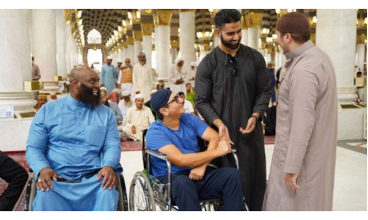
Muslims must have greater inclusion in mosques to ensure parental support regarding this serious disease that affects thousands of children around the world. It is a neuro-developmental disorder characterized by impaired social interaction and verbal and non-verbal communication deficits that cause narrowed interests and repetitive behaviors.
Parents usually notice the first signs within two years of the child's life, and the definite diagnosis can often be made within thirty months of life. Currently, the causes of this event are still unknown, divided between acquired neurobiological constitutional and psycho-environmental causes. More precisely, given the variety of symptoms and the complexity in providing a coherent and unitary clinical definition, the use of speaking more correctly about Autism Spectrum Disorders (ASD) has recently become established, including a whole series of pathologies or syndromes having as common denominator the above behavioral characteristics, albeit to varying degrees or levels of intensity.
Many mosques are not equipped and trained to handle Islamic rituals and procedures by these types of worshipers with ASD, Masjid practices are meant for unaffected children. There is no ill-treatment but only lack of consideration or interest on the part of Islamic structures.
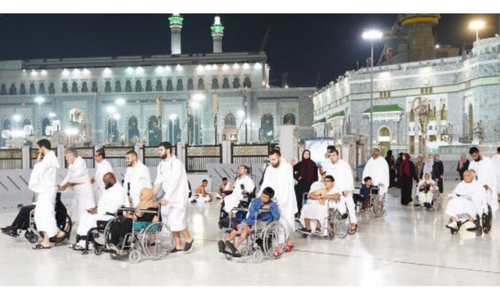
Here are some ways in which spiritual spaces can be welcoming and inclusive for children with autism and their families:
- Create awareness through sermons, workshops, materials, etc.
- Consult someone with families with autistic children to better understand what adaptations are needed so that activities can accommodate all young people.
- Consider a family adoption program, whereby trusted elders can be a second pair of eyes for the DSA child during prayer and congregational activities.
- Provide a family bathroom that allows one parent to care for their child of the opposite sex. Create a quiet lounge area that offers a sensory break to a child with ASD and can also support nursing mothers when needed.
In the Holy Quran, Allah instructs believers not to look down on, label or ridicule others because “perhaps these are better than them” (49:11). I believe that creating inclusive community spaces is in line with the essence of Islam and begins with a sincere belief that all community members deserve access and support. Islamic communities should take steps to ensure that all services and programs reflect the diversity of their members. The time has come not only to create awareness of autism, but also to reshape our social culture in a way that offers safety, support and understanding.
Editorial