

The 'Coran Law' approved in Denmark.

Monfalcone Ordinance: Prayer prohibited in the Islamic Center
December 7, 2023
The Tayammum in Islam
December 19, 2023A measure against the desecration of sacred texts.
The 'Coran Law' is a recently approved legislation in Denmark that prohibits the desecration of sacred texts, particularly the Quran, in public places. This measure has been adopted to preserve social peace and prevent interreligious tensions.
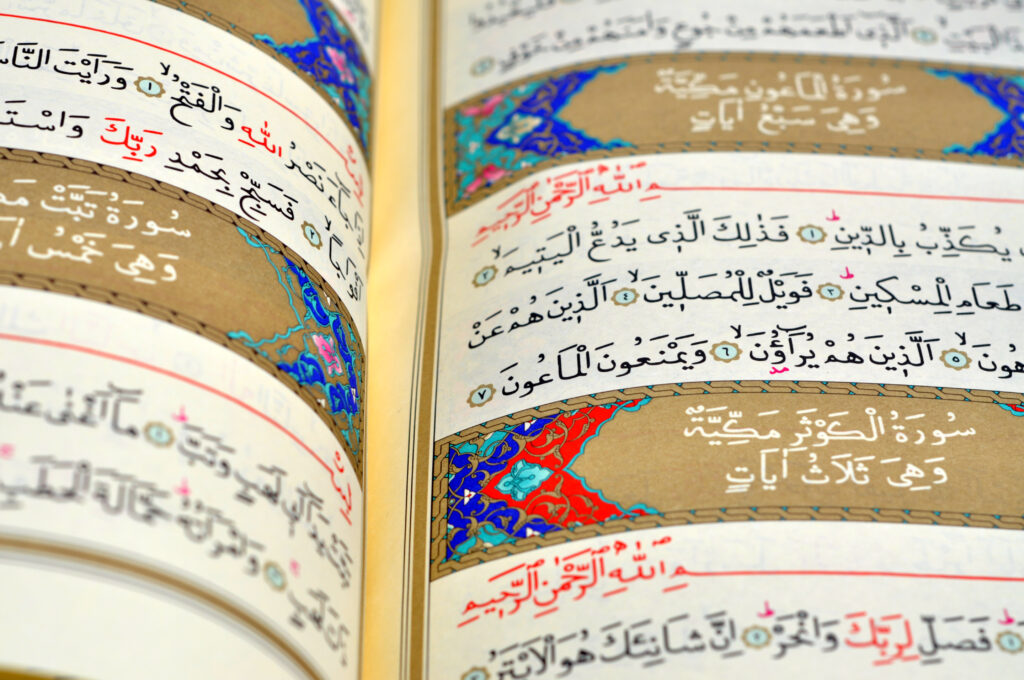
The approval of the Quran Law.
The Danish Parliament has recently approved a law that has sparked debates and controversiesworldwide. Known as the "Quran Law" or "Koranloven" as it has been nicknamed by the Danish, this new legislation effectively makes it illegal to burn copies of the Quran in public places.
The decision to introduce this law was motivated by a series of protests that occurred in the past in several Muslim countries following the desecration of the sacred book of Islam. These incidents raised concerns about the security of the Danish state, particularly regarding the kingdom's embassies abroad.
The law was approved on Thursday with 94 votes in favor and 77 against by the Folketing, the unicameral legislative assembly of Denmark, consisting of 179 seats. It specifically prohibits the act of burning, tearing, or desecrating sacred texts in public places or through the dissemination of large-scale videos. The punishment is up to two years of imprisonment.
Burning, tearing, or desecrating sacred texts in public places or through the dissemination of videos is prohibited.
This measure has sparked a heated debate on freedom of expression and religious rights. While some argue that the law is necessary to preserve social peace and prevent tensions, others see it as a limitation on individual freedom and interference in religious affairs.
The "Quran Law" does not prevent criticism or debate about the Quran or any other religious text. It specifically focuses on protecting sacred texts from desecration in public places, in order to maintain public order and promote mutual respect among different faiths.
Denmark, known for its tradition of freedom of expression and thought, is facing a delicate challenge in balancing these values with the need to preserve security and respect for the diverse religious communities in the country. The "Quran Law" represents an attempt to find a point of equilibrium in this complex context.
It is likely that this new law will continue to generate discussions and contrasting reactions both at the national and international levels. It will be interesting to observe how it will be interpreted and implemented over time and what effects it will have on the religious and social landscape in Denmark.
In conclusion, the "Quran Law"” passed in Denmark represents an attempt to protect sacred texts from desecration in public places. This measure raises important questions about freedom of expression and religious rights, placing the country at the center of a global debate on the delicate balance between cultural diversity and public security.
Editorial