

The shadow of the conflict between Israel and Hamas on European security.

Acquittal of Domenico Giorno
December 22, 2023
Unit and Voice in Monfalcone
December 23, 2023The need for new forms of contrast.
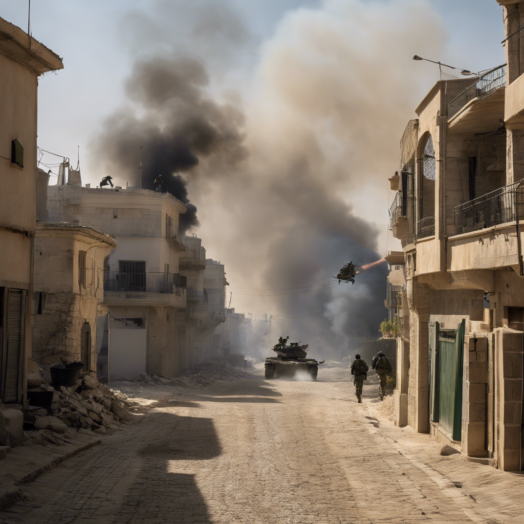
The escalation of violence in the conflict between Israel and Hamas is not limited to the borders of the Middle East, but also casts its unsettling shadow over Europe, with tangible effects on the continent's internal security. While the media focuses on the immediate consequences of the conflict, the implications for European security represent a challenge that requires thorough investigation.
The impact on European internal security
La sicurezza interna europea si trova ad affrontare le onde d’urto scaturite dal conflitto tra Israele e Hamas. In seguito agli scontri si registra una preoccupante ondata di attacchi fisici e verbali contro comunità minoritarie.
Online hatred, in particular, has experienced an exponential growth, with discourses fueling anti-Semitic and Islamophobic sentiments. This social tension risks transforming into violent actions and further destabilizing the peaceful coexistence among different ethnic and religious groups in Europe. The authorities need to address these challenges to ensure the security and harmony of all communities.
Radicalism and Terrorism: A Growing Danger
The threat of radicalism and terrorism, already present in Europe, finds new fuel in the conflict between Israel and Hamas. Jihadist groups may draw inspiration from the dynamics of the Middle East to intensify their terrorist agenda, while right-wing extremists could exploit the growing anti-immigration and Islamophobic sentiment to further radicalize individuals. These scenarios require renewed attention from European security forces and intelligence to prevent attacks and dismantle terrorist networks.
The strategies of Russia and Iran: Polarization and manipulation
In this scenario of tension and insecurity, the moves of state actors are being scrutinized with suspicion. In particular, there is concern that Russia and Iran, longstanding influencers in the Middle Eastern region, may manipulate the situation to exacerbate internal European conflicts. Exploiting social fault lines to promote political polarization and weaken democratic institutions falls within the power tools that these nations can use in an already complex and tense scenario.
Security measures implemented by European governments
In an attempt to curb the flow of incitement to hatred and violent actions, European governments have intensified security measures. Among these, taking a public stance against all forms of violence and hate speech, strengthening existing laws, and implementing new regulations are just some of the efforts made. The task is complex, as it requires balancing security with respect for civil liberties, and providing adequate response to citizens on how authorities are managing and preventing such emergencies. The assistance of all communities, including Islamic communities, is necessary to effectively address this issue.
The European Union's Commissioner for Home Affairs, Ylva Johansson, has urged member states to enhance security measures, warning of the risks associated with the "polarization" generated by the Gaza war in European society. The European Commission has allocated 30 million euros to strengthen security in vulnerable areas, with particular attention to places of worship.
Abdellah M. Cozzolino