

Workshop 'Creed, Dialogue, and Security': United for the Protection of Places of Worship

Workshop SPIRIT: A platform for sharing security and religious freedom.
December 11, 2024
Latent Dangers of Religious Education
December 14, 2024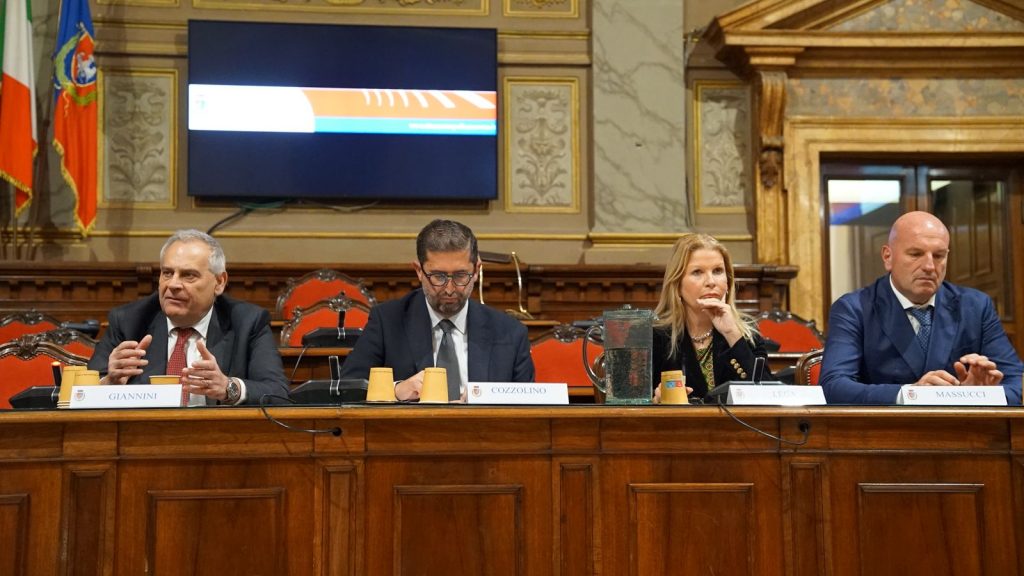
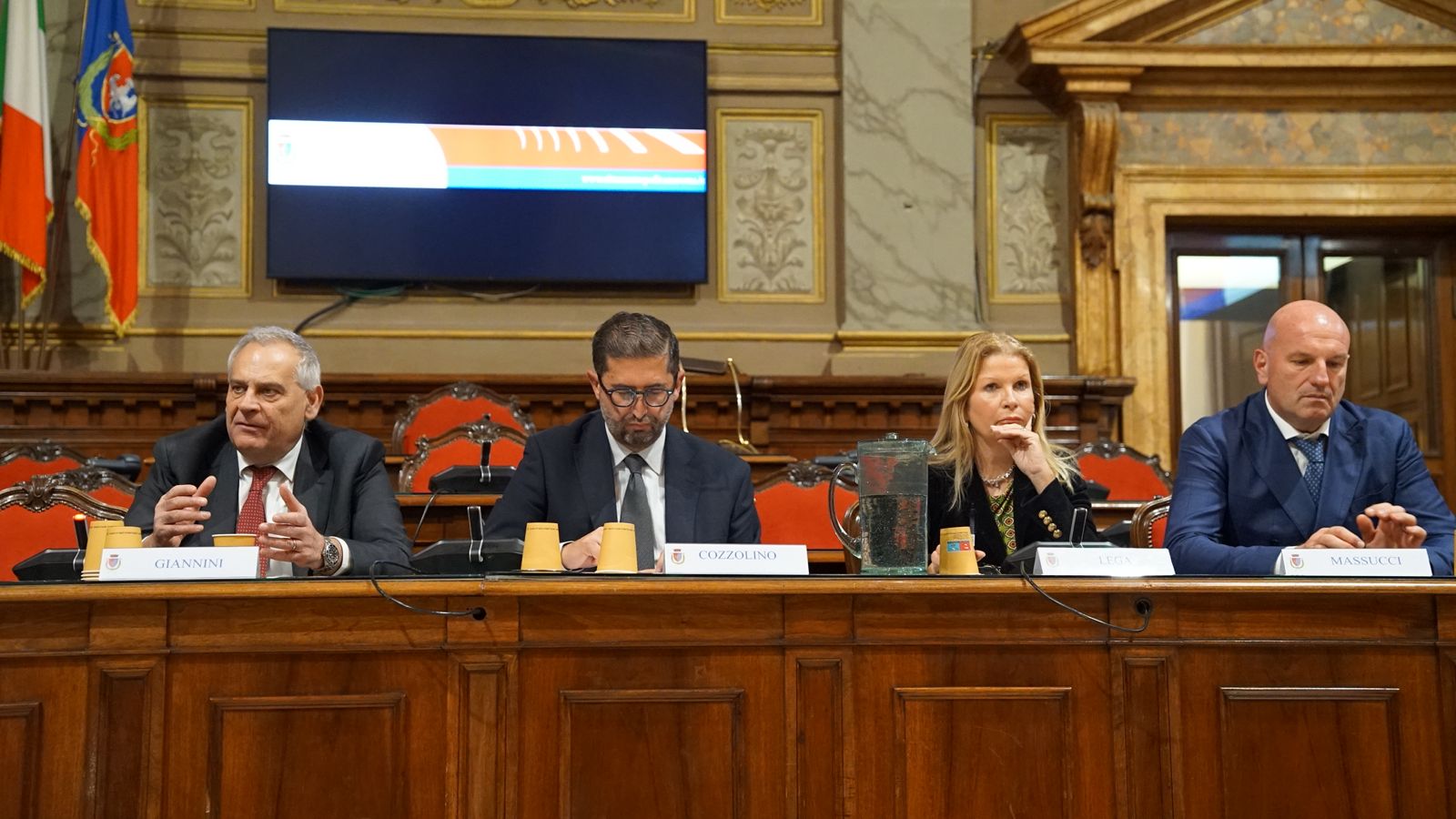
From the left: Prefect of Rome, Lamberto Giannini; Massimo Abdellah Cozzolino, Chief Prefect at the Ministry of the Interior; Laura Lega, Questore of Rome; Roberto Massucci.
The workshop “Faith, Dialogue, and Security,” as part of the SPIRIT Project, highlighted the importance of dialogue in addressing challenges related to the security of places of worship in an increasingly interconnected and complex world.
On 11th December 2024, the "Giorgio Fregosi" Council Chamber at Palazzo Valentini in Rome hosted an extraordinary event: the workshop “Faith, Dialogue, and Security: Protecting Places of Worship”, organized as part of the EU SPIRIT Project. This meeting, following the January 2024 event at the Great Mosque of Rome, marked a crucial moment in addressing one of the most pressing challenges of our time: safeguarding sacred places in an increasingly interconnected and complex world.
A Multidimensional Dialogue
The workshop was distinguished by high profile speakers, capable of offering, unique and complementary perspectives. Among the most authoritative voices:
- Uriel Perugia, Secretary General of the Union of Italian Jewish Communities, emphasized the importance of interreligious dialogue in building a more inclusive and secure society.
- Mons. Derio Olivero, President of the Episcopal Commission for Ecumenism and Dialogue of the CEI, emphasized the importance of cooperation between religious communities and institutions to ensure freedom of worship.
- Abdellah Redouane, Secretary General of the Islamic Cultural Center of Italy, highlighted how sacred places are privileged spaces for intercultural and interreligious dialogue.
Next to them, the academic contributions of Roberto Cipriani, emeritus professor of Sociology, and Gabriele Fattori, expert in ecclesiastical and canon law, offered new perspectives on the relationship between religion, security, and fundamental rights.
A Successful Organization
The success of the event was also made possible thanks to the expertise of the moderators, including Massimo Cozzolino, who skillfully led the closing panel with sensitivity and professionalism. Other moderators, such as Luigi Camilloni and Georgia Anagnostaki and Androniki Tsatsuli, facilitated in-depth discussions on specific topics, such as the role of law enforcement in protecting places of worship.
Cozzolino wanted to express special thanks to Councillor Tiziana Biolghini, delegated councillor for Social Policies of the Metropolitan City of Rome Capital, acknowledging her foresight and sensitivity in supporting the event.
“Allow me to extend special thanks to Councillor Tiziana Biolghini, who has shown great sensitivity and foresight in immediately recognizing the importance of this issue, especially on the eve of the Jubilee 2025. The safety of places of worship is not just a technical matter but a valuable opportunity to promote dialogue and interaction among cultures, religions, and institutions.”
Cozzolino also thanked the Mayor of Rome, Roberto Gualtieri, for the sponsorship of the Metropolitan City of Rome Capital and for the welcome in the beautiful Council Chamber named after Giorgio Fregosi and for granting the sponsorship of the Metropolitan City of Rome Capital as an event of particular cultural interest and social value.
The presence of high-ranking institutional authorities, including the Prefect of Rome, Lamberto Giannini,, the Chief of Police, Roberto Massucci, and the Prefect Head of the Department for Civil Liberties and Immigration at the Ministry of the Interior, Laura Lega, significantly enhanced the event's importance. These representatives articulated security strategies in preparation for the Jubilee 2025, reaffirming the commitment of Italian institutions to ensure the safety of millions of pilgrims.
International Contributions and Innovation
No less significant were the international contributions from experts such as the Commander of the Rome Fire Brigade, Adriano De Acutis, Christos Leontidis (Hellenic Police), Tobias Mattes (Bavarian Police University), Daniele Girgenti (Carabinieri), Josep Jordi Guerrero Nievas (Urban Guard of Barcelona), and Marco Olivini Ferraioli (State Police). These speakers shared best practices and innovative solutions, highlighting the value of cooperation at the European level.
The SPIRIT project, funded by the European Union, stands out as a model of excellence in international and interdisciplinary cooperation. This ambitious program aims to protect places of worship and religious gatherings from threats related to terrorism and violent extremism through an inclusive approach involving institutions, religious communities, law enforcement, and security experts.
A particularly relevant contribution was that of Nikolaos Lalazisis (KEMEA), who illustrated the technological results of the SPIRIT Project, highlighting how the innovative solutions developed contribute to improving the protection of places of worship and the capacity to respond to complex threats. The technologies presented include advanced vulnerability analysis tools and security systems based on multidisciplinary approaches.
Luigi De Salvia (Religions for Peace Italia) illustrated the role of the Protone Project. This program focuses on promoting the safety of places of worship through an interreligious and collaborative approach, providing innovative strategies to address terrorist threats and other forms of violence. De Salvia's speech emphasized the importance of uniting different religious communities to ensure safe and inclusive spaces.
Training on May 10, 2024
On May 10, 2024, at Palazzo Valentini, On May 10, 2024, at Palazzo Valentini, a significant training session was conducted, focusing on the presentation and utilization of new technological equipment. The event was attended by delegations from the Local Police of the Metropolitan City of Rome Capital, sent by the director, Dr. Maria Laura Martire, with a substantial representation of staff.
This training session represented a significant step in strengthening the operational skills of local security forces. Through the introduction of innovative tools, the training provided practical resources and advanced knowledge to address challenges related to the protection of places of worship and urban security more effectively, thereby enhancing the ability to respond to critical situations and promoting a safer environment for the entire community.
A Step Towards the Future
In view of the **Jubilee 2025**, an event that will attract millions of pilgrims to Rome, the workshop represented a key moment to share strategies and concrete tools. As stated by **Massimo Cozzolino**, one of the organizers:
“I am deeply proud to have contributed to the organization of the workshop ‘Faith, Dialogue, and Security,’ an event that brought together voices of extraordinary expertise to address a vital issue such as the protection of places of worship. This meeting demonstrates that only through dialogue and collaboration among institutions, religious communities, and security experts can we ensure safe spaces for everyone while simultaneously promoting respect for fundamental freedoms.“.
Thanks to a holistic and innovative approach, the SPIRIT project lays a solid foundation for addressing future challenges, promoting a balance between security, dialogue, and freedom of worship. The legacy of this workshop will serve as a beacon for dialogue and global security in the years to come.
Editorial