

A Model High School Under Attack: The Case of Lycée Averroès

The position of Italy on the Israeli- Palestinian conflict
June 18, 2024
German Islam at a crossroads: the training of imams in Germany
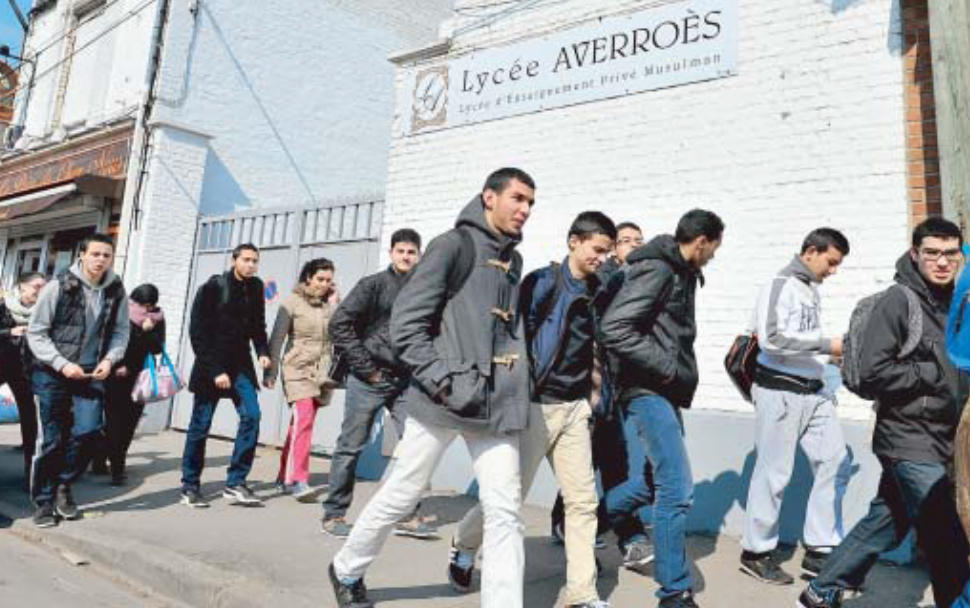
June 26, 2024The Lycée Averroès, located in Lille, France, was founded in 2003 and is the country's first private Muslim high school. From the beginning, the institution has gained a reputation for academic excellence and social integration, becoming a model for other schools both within and outside the Muslim community. This school not only aims to provide a high-quality education but also is committed to promoting values of social cohesion and mutual respect.

Success and Awards
Since its foundation, the Lycée Averroès has recorded a remarkably high success rate. In 2008, it obtained a state contract, a milestone that recognizes the quality of the teaching method adopted. This recognition came following the achievement of a 100% success rate in the baccalaureate diploma, a result that few schools can boast.
The institute has been praised not only for its academic achievements, but also for its commitment to cultural and social integration. The inclusive approach of Lycée Averroès has indeed fostered an environment of respect and mutual understanding among students of different backgrounds, demonstrating that diversity can be an asset rather than an obstacle.
The Accusations and the Response
In 2019, Lycée Averroès came under scrutiny from local authorities due to serious and controversial allegations. The authorities revoked regional funding and threatened to terminate the state contract with the school based on suspicions of foreign interference and teachings against republican values. In particular, it was suggested that Qatar was exerting a form of influence on the school, promoting an agenda of religious proselytism.
However, these accusations have been widely refuted. Several ministerial inspections have indeed confirmed the quality of teaching at Lycée Averroès and its full adherence to republican values. Despite the repeated checks that have cleared the school of all accusations, Lycée Averroès continues to be the target of political and media attacks. This has fueled an atmosphere of uncertainty and tension among students, parents, and the educational staff.
The Political and Social Consequences
The political attacks on Lycée Averroès cannot be fully understood without considering the broader context of growing Islamophobia in France. In recent years, there has been an increase in tensions between Muslim communities and the rest of French society. This climate of suspicion and distrust has been fueled by a series of terrorist attacks and the ideological use of the concept of secularism by some political figures, especially on the far-right.
The decision to revoke regional funding and the threat of terminating the state contract have raised harsh criticisms from numerous politicians and intellectuals. They argue that the school is a victim of a discriminatory campaign and that the accusations made against it are unfounded and pretextual. They also emphasize that targeting a successful and well-integrated educational institution only serves to further fuel social divisions.
In this context, Lycée Averroès represents an emblematic case of how political instrumentalization can jeopardize important educational and integration projects. The incident raises crucial questions about freedom of religion, the autonomy of educational institutions, and respect for fundamental rights in a context of increasing polarization.
Supporters of the high school
Students, teachers, and parents of Lycée Averroès are among its most ardent supporters. They emphasize not only academic success but also the inclusive and supportive environment that the school provides. Numerous politicians and intellectuals have expressed support for the high school, denouncing the harassment as unjustified and discriminatory. Public figures have praised Lycée Averroès as a positive example of integration and social cohesion, capable of combating extremism precisely because of its educational approach.
Detractors of the high school
On the other side of the barricade, we find local authorities and some political figures, especially those affiliated with the far right, accusing the school of not respecting republican values and being a vehicle for proselytism. Local authorities that have revoked regional funding argue that foreign interference represents a concrete threat and that the school must be carefully monitored to avoid extremist tendencies.
Neutral voices
The Ministry of Education represents a more neutral voice in the matter. Although it has conducted numerous inspections that have confirmed the compliance of Lycée Averroès with republican values, the ministry has provided written responses listing the accusations made against the school. However, these inspections have also denied the involvement of foreign interference, confirming the quality of education offered by the institute.
Conclusion
The situation at Lycée Averroès carries a sense of uncertainty about the future of the school and its community. Despite numerous ministerial confirmations regarding the quality and compliance of its teaching, political pressures and the climate of Islamophobia make it difficult to predict what will happen. However, the school's determination to defend its inclusive educational model and its role as a stronghold against extremismrepresents a ray of hope.
Many eyes remain fixed on Lycée Averroès, hoping that justice will prevail and that the institution can continue to be a shining example of integration and academic success. At a time when social cohesion is more necessary than ever, stories like that of Lycée Averroès remind us of the importance of defending the values of freedom, equality, and fraternity for all, without distinction of religion or origin .
Editorial