

The Festival of the month of Dhūl-Hijja

The traveler's prayer (at-taqseer)
May 23, 2024
Anjem Choudary under trial in London
June 14, 2024The festivals of Eid, Eid al-Fitr and Eid al-Adha, are two moments of great joy and spiritual significance for Muslims. Eid al-Fitr marks the end of the month of Ramadan and fasting, while Eid al-Adha, celebrated during the month of Dhul-Hijja, commemorates the sacrifice of Ibrahim [peace be upon him] and marks the end of Hajj. These festivals promote values of sacrifice, faith, unity, and compassion, encouraging acts of worship, charity, and sharing with family, friends, and the community.
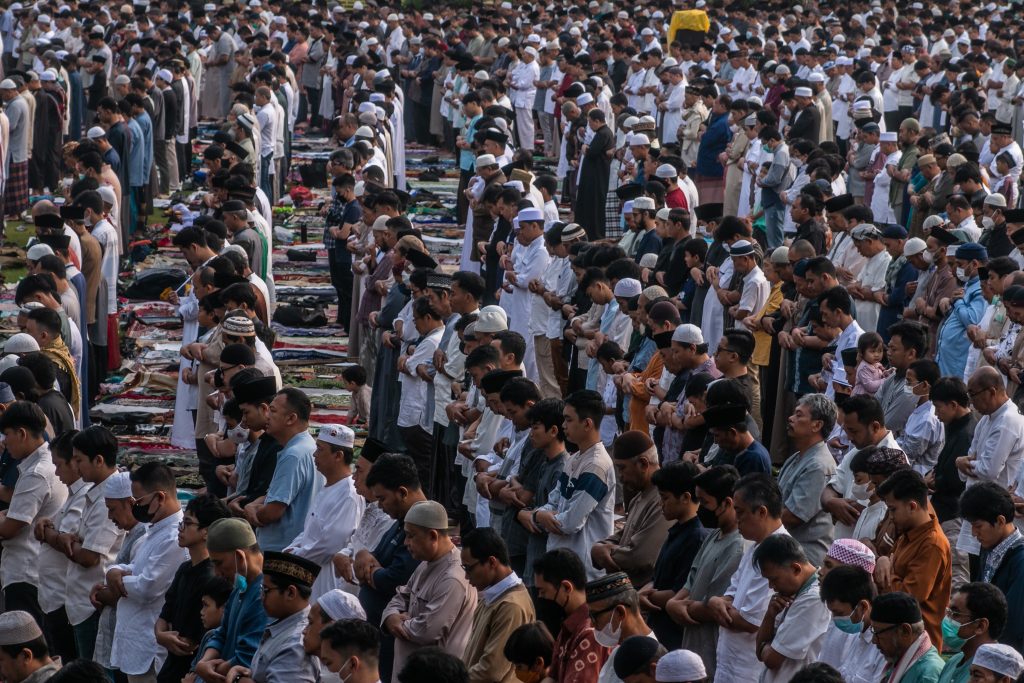
Introduction to the Eid Festivities
Muslims generally have two major occasions of happiness and joy, the two festivities of Eid. They always come after dedicated worship, after a huge sacrifice, after having done something major for the Almighty.
Eid al-Fiṭr
The first Festivity, Eid al-Fiṭr is celebrated at the end of the 9th month of the Islamic lunar calendar, the month in which the holy Quran was revealed, and that is the month of Ramaḍān, wherein which Muslims fast.
Eid al-Aḍḥā
The second festivity, Eid al-Aḍḥā - عيد الأضحى [the feast of sacrifice] takes place during the month of Dhūl-Ḥijja, the 12th and last month of the Islamic lunar calendar. The Eid festival marks the end of the Hajj, the 5th pillar of Islam.
Importance of the First Ten Days of Dhūl-Ḥijja
From the beginning of the month of Dhū l-Ḥijja, right up the 9th and 10th days, we are trained to actually engage in extra acts of worship. In fact, these first ten days of dhūl-Ḥijja are the days in which the Almighty loves most our acts of worship.
It was narrated from Ibn ʿAbbās that the Messenger of Allāh ﷺ said: “There are no days during which righteous deeds are more beloved to Allāh than these days,” meaning the [first] ten days of Dhū l-Ḥijja.>/em>
مَا مِنْ أَيَّامٍ الْعَمَلُ الصَّالِحُ فِيهَا أَحَبُّ إِلَى اللَّهِ مِنْ هَذِهِ الأَيَّامِ – يَعْنِي الْعَشْرَ
[Sunan Ibn Mājah]
The Day of ʿArafā
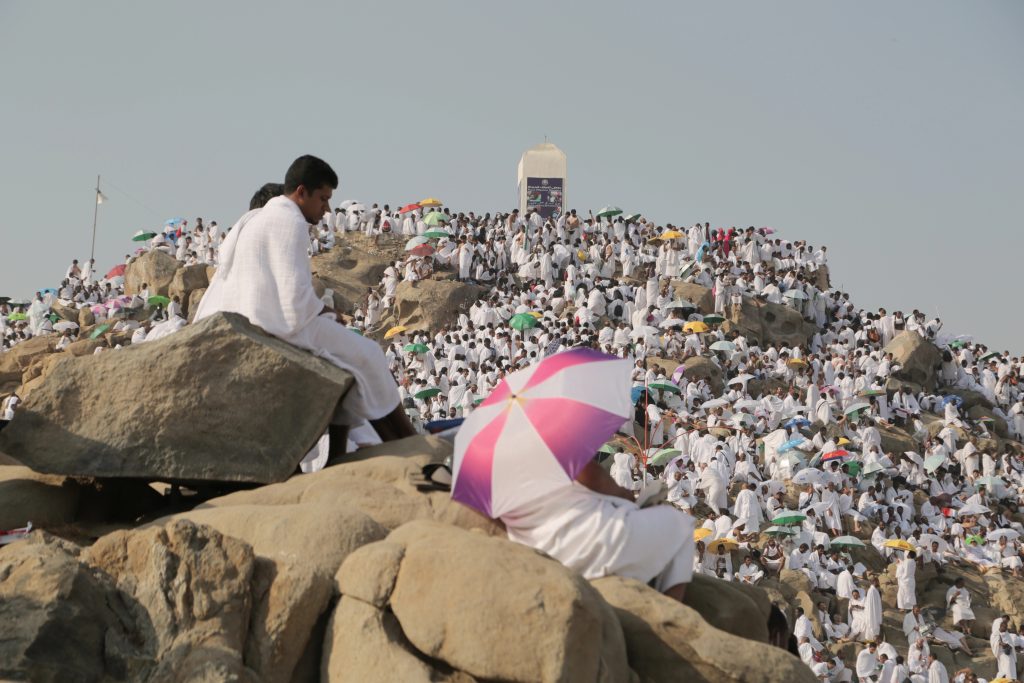
During the first days of Dhū l-Ḥijja, particularly the 9th day, the day of ʿArafā, fasting, an important act of worship, is a sunnah that is highly recommended. Because ʿArafā is the greatest day of spirituality on the entire Islamic lunar calendar, any person that fasts these days [ʿArafā inclusive], reaps great benefits, earns lots of rewards and expiates the sins of the past year.
Eid al-Aḍḥā, a religious holiday that is celebrated by Muslims worldwide marks the end of the Hajj. Al-Hajj [الحَجُّ], a fundamental act of worship performed in the month of Dhū l-Ḥijja, is a sacred pilgrimage to Mecca, modern day Saudi Arabia, that is required of every Muslim at least once a year.
Abū Hurayra [may Allāh be pleased with him] narrated that one day the Prophet ﷺ addressed people saying:
““O people! Allāh has prescribed Hajj upon you, so perform it.”
وروى أبو هريرة قال: قال رسول الله صلى الله عليه وسلم: أيها الناس قد فرض عليكم الحج فحجُّوا
[Ṣaḥīḥ Muslim]
Spiritual Meaning of Eid al-Adha
The Eid festivities hold relevance beyond the Muslim community as well. They promote the spirit of unity, sharing, and compassion, encouraging individuals from all backgrounds to come together in the spirit of celebration and goodwill. On this joyous occasion, it is customary to wish everyone happiness and blessings. On Eid day, Muslims and non-Muslims alike can share in the spirit of celebration by extending warm wishes to friends, family, and communities, fostering a sense of unity and harmony.
Eid al-Aḍḥā hence, from the spiritual point of view is a time of immense significance for Muslims. It is a time for prayer, reflection, and gratitude for the blessings received. The holiday emphasizes the values of sacrifice, faith, and submission to the will of God. Muslims typically engage in acts of charity, visit family and friends to partake in feasts during this festive occasion.
The values of sacrifice and generosity that underpin this holiday resonate with people of different faiths and serve as a reminder of the importance of selflessness and empathy in our lives.
It is customary during the festivity for Muslims, for Muslims to slaughter a sacrificial animal [offer the Qurbān], such as a goat, a sheep, or a cow, symbolizing the act of sacrifice intended by Ibrāhīm [peace be upon him].
Ibn ʿUmar narrated that the Prophet ﷺ used to offer a sacrifice for everyone of the ten years he lived in Madīna
عَنِ ابْنِ عُمَرَ قَالَ: ” أَقَامَ رَسُولُ اللهِ ﷺ بِالمَدِينَةِ عَشْرَ سِنِينَ، يُضَحِّي كُلَّ سَنَةٍ
[at-Tirmidhī]
It was reported from Al-Barāʾ ibn ʿĀzib [may Allāh be pleased with him] that the Prophet ﷺ said: “Whoever offers a sacrifice after the prayer has completed his rituals [of Eid] and has followed the way of the Muslims.” [al-Bukhārī]
عن البراء بن عازب قال، قال رسول الله صلى الله عليه و سلم، مَن ضَحَّى قَبْلَ الصَّلَاةِ، فإنَّما ذَبَحَ لِنَفْسِهِ، وَمَن ذَبَحَ بَعْدَ الصَّلَاةِ فقَدْ تَمَّ نُسُكُهُ، وَأَصَابَ سُنَّةَ المُسْلِمِينَ.
The Sacrifice of Uḍḥiyah or Qurbān
The slaughter, literally known as Uḍḥiyah [أضحية] or Qurbān [قربان] commemorates the willingness of Ibrāhīm to sacrifice his son as an act of obedience to Allāh. The story of sacrifice is shared by both Muslims and Jews, as well as Christians, who recognize Ibrāhīm as a foundational figure in their respective faiths. According to the Muslim scriptures that son was ʾIsmāʿīl.
Nonetheless, what was the reason behind that sacrifice! The prophet Ibrāhīm [peace be upon him] was very close to the Almighty. He was, according to the Islamic belief, the father of all the prophets who came after him. He was revered, he was respected, he was Khalil Lah خليل الله, meaning a friend of the Almighty, and he had built the Kaʿba in Mecca, a house of worship, where people would gather and worship the Almighty God, their maker and no one else.
At a certain point, he saw a dream. And in that dream, he was instructed by the Almighty to sacrifice his son. Obviously, that instruction was something divine for a purpose. And even though the fulfilment of it was not exactly as it was instructed, but, as a prophet, Ibrāhīm [peace be upon] went on and told his son, according to the Qurʾān scripture:
““O my dear son! I have seen in a dream that I should sacrifice thee: consider, then, what would be thy view!” [ʾIsmāʿīl] answered: “O my father! Do as though art bidden: thou will find me, if God so wills, among those who are patient in adversity”.“.
فَلَمَّا بَلَغَ مَعَهُ ٱلسَّعْىَ قَالَ يَٰبُنَىَّ إِنِّىٓ أَرَىٰ فِى ٱلْمَنَامِ أَنِّىٓ أَذْبَحُكَ فَٱنظُرْ مَاذَا تَرَىٰ ۚ قَالَ يَٰٓأَبَتِ ٱفْعَلْ مَا تُؤْمَرُ ۖ سَتَجِدُنِىٓ إِن شَآءَ ٱللَّهُ مِنَ ٱلصَّٰبِرِينَ
[Qurʾān – ‘Aṣ-ṣāffāt: 102]
He took his son and was about to enact what the Almighty had instructed him when the Almighty replaced that son with a Ram from heaven. That depicted the ultimate submission to the Almighty. That sacrifice, replaced with a ram, the Almighty loved it so much that He asked us all to reenact that, more for the lesson than anything else.
Conclusion
On this occasion, it is an important act of worship as well to reach out to the poor again with food staffs, something to eat, to feast with. To reach out with the meat from the sacrificial animal. In an amazing Islamic teaching, the Almighty instructs that you divide your sacrifice in three. A third you can eat from, a third give [as gifts] to your family and friends and a third dedicate it to the poor.
The Almighty says: “[but bear in mind:] never does their flesh reach God, and neither their blood. It is only your God-consciousness that reaches Him. It is to this end that We have made them subservient to your needs, so that you might glorify God for all the guidance with which He has graced you. And give thou this glad tiding unto doers of good”.
لَن يَنَالَ اللَّهَ لُحُومُهَا وَلَا دِمَاؤُهَا وَلَٰكِن يَنَالُهُ التَّقْوَىٰ مِنكُمْ ۚ كَذَٰلِكَ سَخَّرَهَا لَكُمْ لِتُكَبِّرُوا اللَّهَ عَلَىٰ مَا هَدَاكُمْ ۗ وَبَشِّرِ الْمُحْسِنِينَ
[Qurʾān – Al-hajj: 37]
Editorial