

Attack on the Crocus City Hall in Russia

Religious pluralism in Indonesia
February 24, 2024
The benefits and rewards of fasting
March 24, 2024Yesterday evening, the Crocus City Hall in Podolsk, Russia, was the scene of a serious attack that resulted in casualties and injuries. The attack raises concerns and questions throughout Europe, particularly within the Muslim community, often in the spotlight following acts of terrorism. This article explores the diversity and challenges of the European Muslim community, highlighting the importance of interreligious dialogue and cooperation to counter extremism and promote integration.
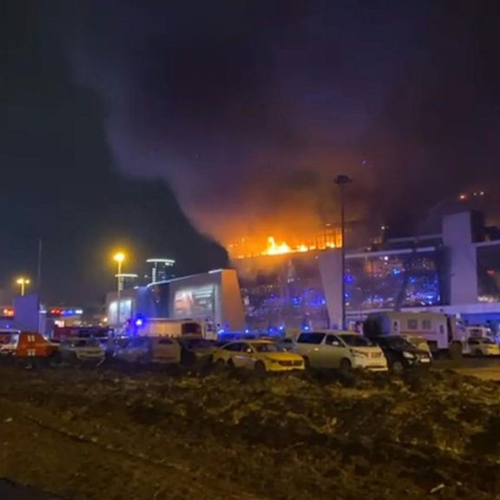
https://askanews.it/2024/03/22/russia-strage-in-sala-concerti-almeno-40-morti-e-fuga-attentatori/
The Devastating Impact of the Attack on the Crocus City Hall
Yesterday evening, an unprecedented act of violence shook the Crocus City Hall in Podolsk, in the Moscow region. A shooting followed by two explosions and a fire preceded the scheduled concert of the band Picnic, causing casualties and injuries still being counted. The toll is at least 60 dead and around a hundred injured. The discovery of a vehicle loaded with explosives in the parking lot and the arrest of a suspect have triggered a intense manhunt to track down the attackers.
The Claim of ISIS and the Role of ISIS-K
The ISIS has claimed the attack with a statement that appeared on Telegram: "Militants of the Islamic State" - reads a message on the jihadist group's channel - "have attacked a large gathering on the outskirts of Moscow" and then they "retreated safely to their bases". According to some sources in the Kremlin's press, the attack was carried out by ISIS-K, a terrorist group affiliated with ISIS and mainly active in Afghanistan. The United States has ruled out any involvement of Ukraine, which has been at war with Russia for over two years following the invasion of Moscow
The Context of the Attack: Moments of Terror on the Eve of a Concert
The attack, carried out by a commando of about five men armed with automatic rifles, Kalashnikovs, grenades, and Molotov cocktails, occurred at a time when thousands of people were gathering for the music event. This tragic event raises questions and concerns throughout Europe,, especially within the Muslim community, which often finds itself in the spotlight following acts of terrorism.
L'ISKP (ISIS-K): History and Objectives of a Dynamic Affiliate of ISIL
The ISKP (ISIS-K), an ISIL affiliate located in the Khorasan province, represents one of the most dynamic branches of ISIL. Its name derives from an ancient caliphate that spanned across present-day regions of Afghanistan, Iran, Pakistan, and Turkmenistan. This group emerged in eastern Afghanistan towards the end of 2014, founded by former Taliban and Pakistani fighters. The latter pledged their allegiance to Abu Bakr al-Baghdadi, the former leader of ISIL. The terrorist group strengthened after discontinuing its activities in Syria and Iran.
Several analysts believe that the group has targeted Russian President Vladimir Putin in recent years for the alleged oppression of Muslims in many parts of Russia.
The European Muslim Community: Diversity and Challenges
The European Muslim community is extremely diverse and includes followers from different nationalities, cultures, and schools of thought. Despite their faith being often unfairly associated with extremist groups, it is important to emphasize that the vast majority of Muslims live peacefully and actively contribute to European society.
Terrorist attacks, like the one that occurred in Podolsk, fuel fear and misunderstanding, putting social cohesion and integration at risk. Muslim communities find themselves under a double pressure: on one hand, they must distance themselves from radicals who misuse the name of Islam; on the other hand, they have to deal with distrust and sometimes hostility from the societies in which they live.
Response and Social Impact: The Muslim Community Facing Terrorism
In response to similar events, Muslim communities in Europe have often strongly condemned acts of terrorism, reiterating that violence has no place in their religious teachings. Furthermore, they have worked to promote interreligious dialogue and mutual understanding, striving to educate both their members and the broader public about the true essence of Islam.
It is crucial for authorities and the media to handle the coverage of such events with caution, avoiding polarisation that could fuel Islamophobia and compromise integration efforts. Cooperation between Muslim leaders and European institutions is essential to counter extremism and ensure security without compromising civil rights and freedoms.
While investigations into the Podolsk attack continue, it is important to recognize the positive role that the European Muslim community plays in the rich cultural mosaic of the continent. Only through respect, dialogue, and collaboration can we hope to eradicate the threat of terrorism and build a fairer and safer and inclusive society.
Abdellah M. Cozzolino