

United Arab Emirates: a greener Ramadan

Il Ramadan illumina Londra est
March 24, 2023
Muslim students request access to a classroom where they can pray.
March 25, 2023
We are in the holy month of Ramadan 2023,, a practice observed by around 1.9 billion Muslims around the world, who fast from sunrise to sunset as an act of devotion and spirituality. As UAE dieticians say, Ramadan is a golden opportunity to switch to a greener and more sustainable lifestyle that is healthier and less wasteful.
Green lifestyle means improving the quality of life and achieving sustainable development.
Dietician Juliot Vinolia Rajarathinam nutritionist at the Medeor Hospital in Dubai, said that Ramadan is a time when Muslims reflect on their thoughts and actions to rejuvenate the mind and body. Sustainable eating means choosing healthy and less processed foods with a lower environmental impact, improving food security for everyone.
Rajarathinam recommends not to prepare heavy meals because a small advance planning of portions can significantly reduce food waste, costs and greenhouse gas emissions.
Buying in bulk or in large amounts significantly reduces the amount of packing material compared to more frequently buying the same product in smaller packages.
Plant-based diets reduce inflammation and the risk of chronic disease. Muslims should reduce their consumption of red meat: both to reduce the risk of cancer, stroke and heart disease, and because of the red meat industry which produces significant amounts of greenhouse gas emissions.
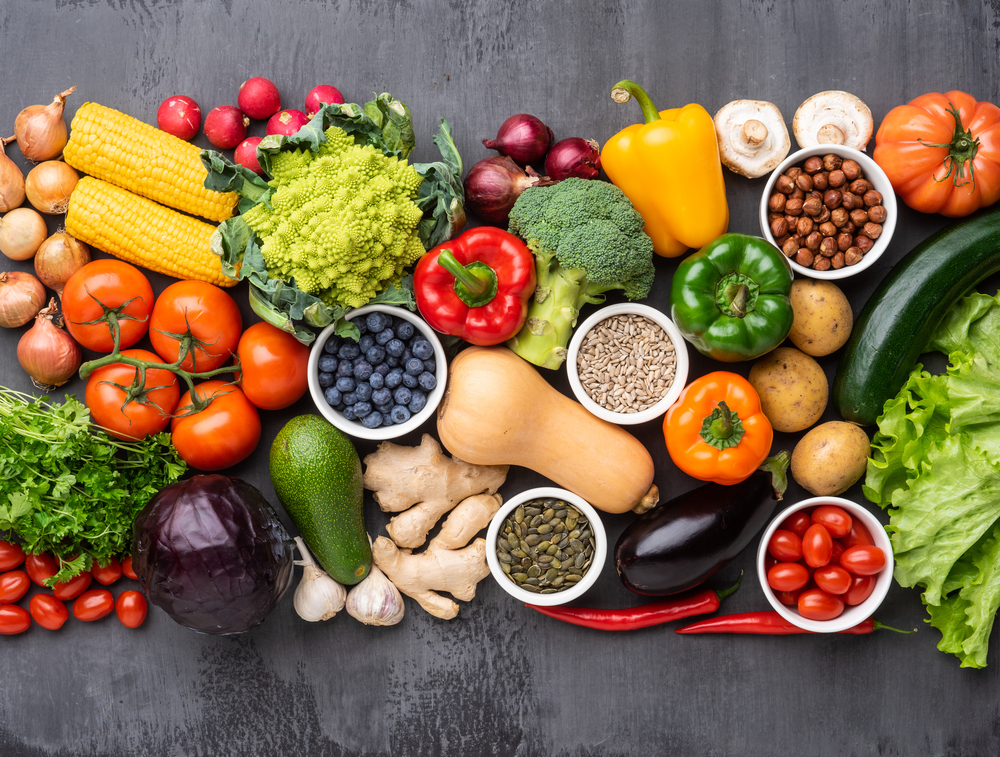
Seasonal fruits and vegetables are fresh and convenient, they have more available antioxidants than stored foods. Some of the most sustainable and must-have fruits and vegetables during the fast are squash, broccoli, tomatoes, carrots, sweet potatoes, beets, peas, beans, mushrooms, spinach, kale, apples, citrus fruits, melons, papayas and bananas, which do not require packaging
Rajarathinam also recommended eco-friendly whole grains, wild rice, oatmeal and millet, which have a good shelf life and are rich in vital nutrients that help sustain energy during fasting hours. They are high in fiber to prevent constipation and are cheap too.
Buying wisely, storing efficiently and using wholesome cooking methods incorporating traditional recipes saves and revives culture and helps maintain good health.
Let's make this Ramadan 2023 sustainable by choosing an adequate and balanced diet from a nutritional point of view, taking care to prepare more fresh plant-based meals. Preparing them at home ensures that they are not only healthy and economical, but also climate-friendly, as they decompose and nourish the soil. All in line with the objectives established with the next COP28, i.e. the twenty-eighth appointment organized by the UN in Dubai to address climate change and the country's energy transaction.
Editorial